

Best Interior Design Ideas The arrangement of a small home has a greater impact than expensive decoration. Before selecting furniture, consider how people enter, move through and use each room.
Keep important pathways clear and avoid placing large pieces where they interrupt movement. A carefully planned arrangement can make a compact living room or dining area feel noticeably easier to use.
Natural daylight can change the appearance of a small room. Avoid unnecessarily blocking windows with bulky furniture or heavy curtains.
Light walls, carefully positioned mirrors and surfaces that gently reflect daylight can help create a brighter atmosphere. Kerala’s climate also makes ventilation important, so windows and openings should support comfortable airflow wherever the structure permits.
One oversized sofa or a large dining set can make a compact room feel crowded. Furniture should be selected according to the room’s actual dimensions.
Pieces with additional functions can be particularly useful. A bench with storage, a foldable work surface or a bed with drawers can provide practical benefits without requiring separate furniture for every purpose.
When there is not enough floor area, walls can provide valuable storage opportunities. Tall wardrobes, overhead kitchen cabinets and built-in shelving can increase storage capacity while keeping the floor relatively open.
However, every wall does not need to be covered with storage. Combining closed cabinets with a small number of open shelves can maintain a lighter visual appearance.
Best Interior Design Ideas -A compact home can benefit from a controlled colour palette. Warm whites, soft beige, muted greens and other gentle tones can work well with Kerala’s natural surroundings.
This does not mean that every room must look identical. Related colours can create continuity between connected spaces, while selected darker or brighter accents can add character.
Small homes often benefit from stronger visual relationships between neighbouring spaces. For example, the living and dining areas can share similar flooring or complementary finishes.
If the structure allows, a wider doorway or glass partition can create openness while still providing some separation. The goal is to connect spaces without sacrificing the functions they need to perform.
Small homes require creative thinking about unused areas. The space beneath a staircase might become a storage cabinet. A narrow corner could accommodate a compact study desk. An awkward wall may become a built-in display or shelving unit.
These small interventions can increase functionality without extending the building.
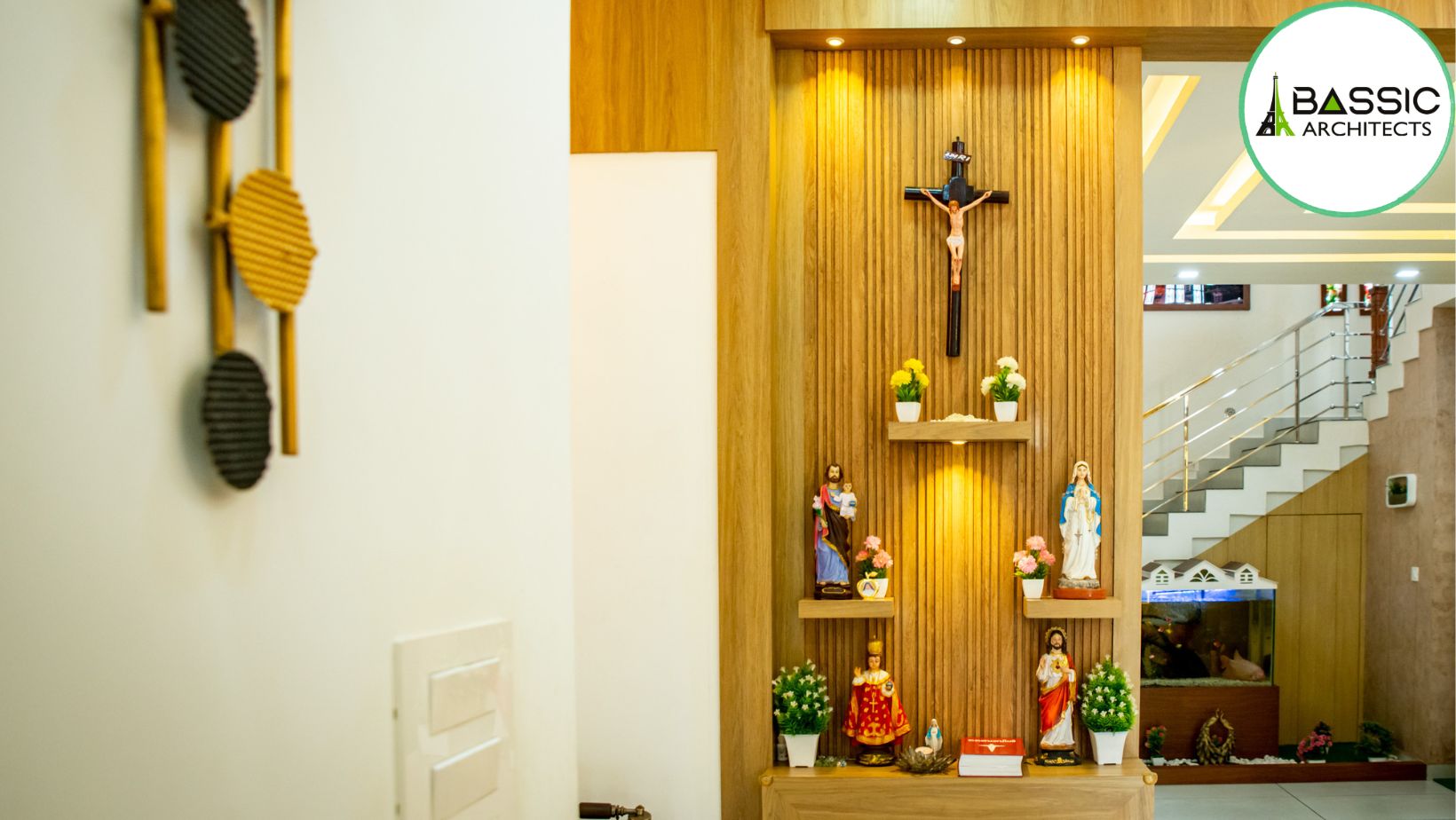
A compact interior does not need heavy decoration to feel distinctive. Timber accents, indoor plants, natural textures, handcrafted objects and subtle regional details can introduce warmth.
Using fewer but better-selected decorative elements can prevent the home from looking overcrowded.
The success of a small-home interior often depends on planning decisions made before decoration begins. If you are searching for an Interior Design Company in Kannur, review residential projects and look closely at how available space has been handled.
Discuss your family’s routine, storage needs, preferred style and budget before the design is finalised. The designer should be able to adapt ideas to your particular home instead of simply reproducing a standard layout.
Small-home interiors work best when every decision has a reason. Efficient storage, sensible furniture, useful corners, natural light and a restrained material palette can create a home that feels comfortable rather than confined.
Instead of trying to fill every available area, focus on creating clear spaces that support everyday activities. With thoughtful planning, even a compact Kerala home can have its own character while remaining practical, bright and enjoyable to live in.