
For homeowners considering modern home design, the real opportunity is to combine technology with thoughtful architecture. A successful home should not feel like a collection of devices. It should feel comfortable, practical and naturally suited to the people who live in it
Smart-home features are most effective when they are considered during the early stages of a project. Lighting controls, security systems, automated curtains, entertainment systems and climate controls all require suitable planning.
When these requirements are discussed before construction, architects can consider electrical points, wiring routes, equipment locations and storage within the overall design. This can help maintain clean interiors while leaving room for future upgrades.
The goal is not to install every available technology. It is to select features that genuinely improve everyday living.
Today’s homeowners increasingly want their homes to respond to their routines. Automated lighting can create different settings for different times of the day, while smart controls can make temperature management and security more convenient.
However, technology should complement the fundamentals of good architecture. Natural light, ventilation, comfortable room proportions, privacy and well-planned circulation remain essential.
A technologically advanced house can still feel uncomfortable if the basic design has not been properly considered.
Energy management is another important part of smart residential design. Monitoring electricity consumption can help homeowners understand where energy is being used and identify opportunities to reduce unnecessary consumption.
Solar systems, efficient lighting, automated controls and energy-efficient appliances can work together as part of a broader strategy.
Architecture itself also contributes to energy performance. Orientation, shading, roof design, window placement and ventilation can influence indoor temperature and daylight requirements. This makes sustainable home design an important consideration from the beginning of a project.
Residential spaces are also becoming more adaptable. A room may serve as a workspace during the day, a study area in the evening and a guest room when required.
Instead of designing every room for one fixed purpose, flexible planning can allow spaces to evolve. Sliding partitions, integrated storage, movable furniture and multi-purpose rooms can provide greater usefulness without unnecessarily increasing the size of the home.
This type of planning is particularly valuable for families whose requirements may change over time.
The most important element of any home is still the people who live there.
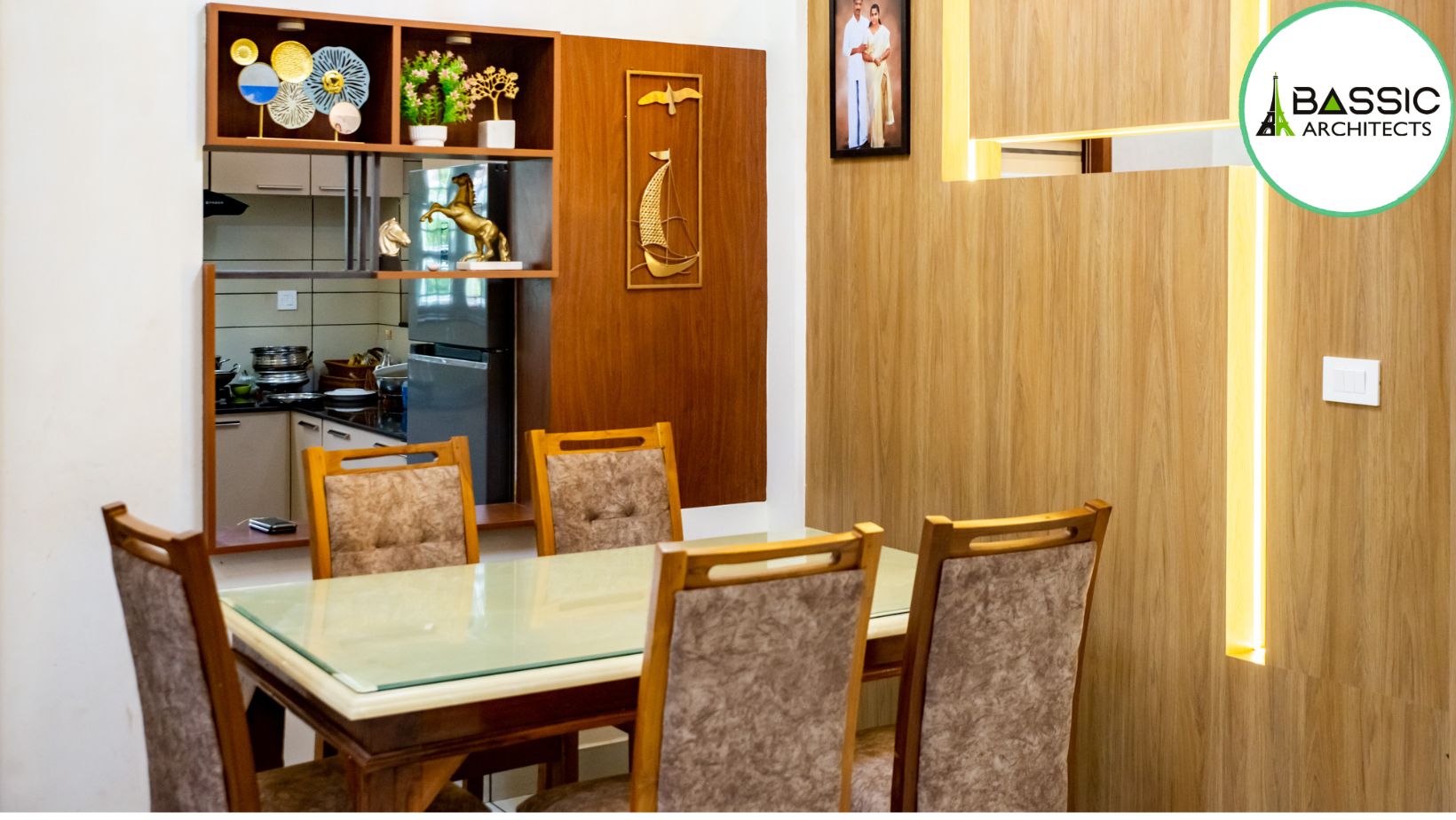
A well-positioned window, a peaceful reading corner, a practical kitchen, a shaded outdoor area or a comfortable family space can influence daily life more than any individual smart device.
For this reason, residential architecture in 2026 is not simply about adding technology. It is about understanding how people live and then using design and technology together to make those experiences better.
Real client experiences provide valuable insight into the importance of communication and personalised design.
“Sipi cs – Excellent service received in the production of drawings for home construction. Highly professional, friendly, quick, listened to our requirements, various design solutions offered, very effective communication with planning department, kept us informed at every stage. Highly recommended
Thanks team bassics Mr Jackson George”
Another client, “SANOJ KP -We are nearing completion of our house build and the team at Bassic has been excellent so far. They always ensure that our concerns are addressed, and their communication is top-notch. We are very satisfied with the progress and are excited to see the finished home. We feel confident that Bassic will continue to deliver excellent work. Special thanks to Jackson, Emil Bro, Satheeshettan and the entire team “
These experiences show that successful residential architecture is about much more than a finished photograph. Understanding the client’s vision, communicating clearly and responding responsibly throughout the project are equally important.
The future of home architecture is likely to be defined by a combination of flexibility, comfort, sustainability and technology. But good design does not mean following every new trend.
A future-ready home should be designed around the homeowner’s actual lifestyle, site conditions and long-term requirements. Smart systems can be included where they add genuine value, while architectural fundamentals remain at the heart of the project.
Bassic Architects focuses on creating residential spaces where design, functionality and individual requirements work together. From initial planning to detailed design, thoughtful decisions can help create homes that remain comfortable and relevant as lifestyles evolve.
Smart technology is changing the way homes are planned, but technology alone does not create great architecture. The strongest homes combine intelligent planning with natural light, ventilation, flexible spaces, energy-conscious decisions and a clear understanding of the people who will live there.
For homeowners planning a new residence in 2026, the best approach is to look beyond short-term trends. A home should be designed to work well today while remaining adaptable for tomorrow.
The future of residential architecture is not simply about smarter homes. It is about creating better homes for real life.